Cyclosporiasis Cases Reported in Tennessee
From the Jul 21, 2026 e-Edition
Several cases of cyclosporiasis, the "explosive diarrhea" inducing illness caused by the parasite Cyclospora, have been reported in Tennessee since the Center of Disease Control's surveillance period began on May 1.
The CDC considers the multistate outbreak to include Michigan, Ohio, West Virginia and Kentucky. However, between 11-30 cases in Tennessee have been confirmed with the CDC since May 1.
The agency warned that the true number of sick people across the nation is likely higher than the number reported. The CDC anticipates that case counts will continue to rise over the next six weeks.
On July 15, the Shelby County Health Department reported six confirmed cases of the illness.
The CDC has not yet tracked the source of the illness, which has affected over 1,645 individuals in 34 states since May 1. The outbreak is considered to have started June 22.
Current cases have been linked to an assortment of fresh fruits, vegetables and herbs — including bagged salad mixes and kits, fresh cilantro, basil, parsley, raspberries, snow peas and green onions.
It is important to note that the parasite that causes cyclosporiasis cannot be washed off with water. Heating food to 158 degrees Fahrenheit or higher is the only known way to kill Cyclospora.
The CDC has issued guidance to avoid the spread of cyclosporiasis, including:
- Wash your hands with soap and water before and after handling or preparing raw fruits and vegetables.
- Wash all food prep surfaces, including utensils, cutting boards and countertops, before and after use.
- Scrub firm fruits and vegetables, such as melons and cucumbers, with a clean produce brush.
- Cut away any damaged or bruised areas on fruits and vegetables before preparing and eating.
- Refrigerate cut, peeled or cooked fruits and vegetables as soon as possible (within two hours).
- Cook your food thoroughly at 158 degrees Fahrenheit or higher.
Symptoms of cyclosporiasis include watery diarrhea lasting more than a few days, fatigue and loss of appetite. Symptoms usually begin about one week after becoming infected. Without treatment, symptoms can last anywhere from a few days to a month.
The CDC asks that individuals call their healthcare provider if they experience symptoms of cyclosporiasis. Individuals may need to specifically request testing for Cyclospora.
Cyclosporiasis is not usually life-threatening, however some people can become very ill and require hospitalization. Of the 1,645 cases reported to the CDC, 141 resulted in hospitalization. No deaths have been reported.
The CDC's investigation to identify and confirm the sources of the outbreak is ongoing.

In the e-Edition
McKenzie Banner July 21, 2026
Jul 21, 2026 · Read the full issue →
Related Stories
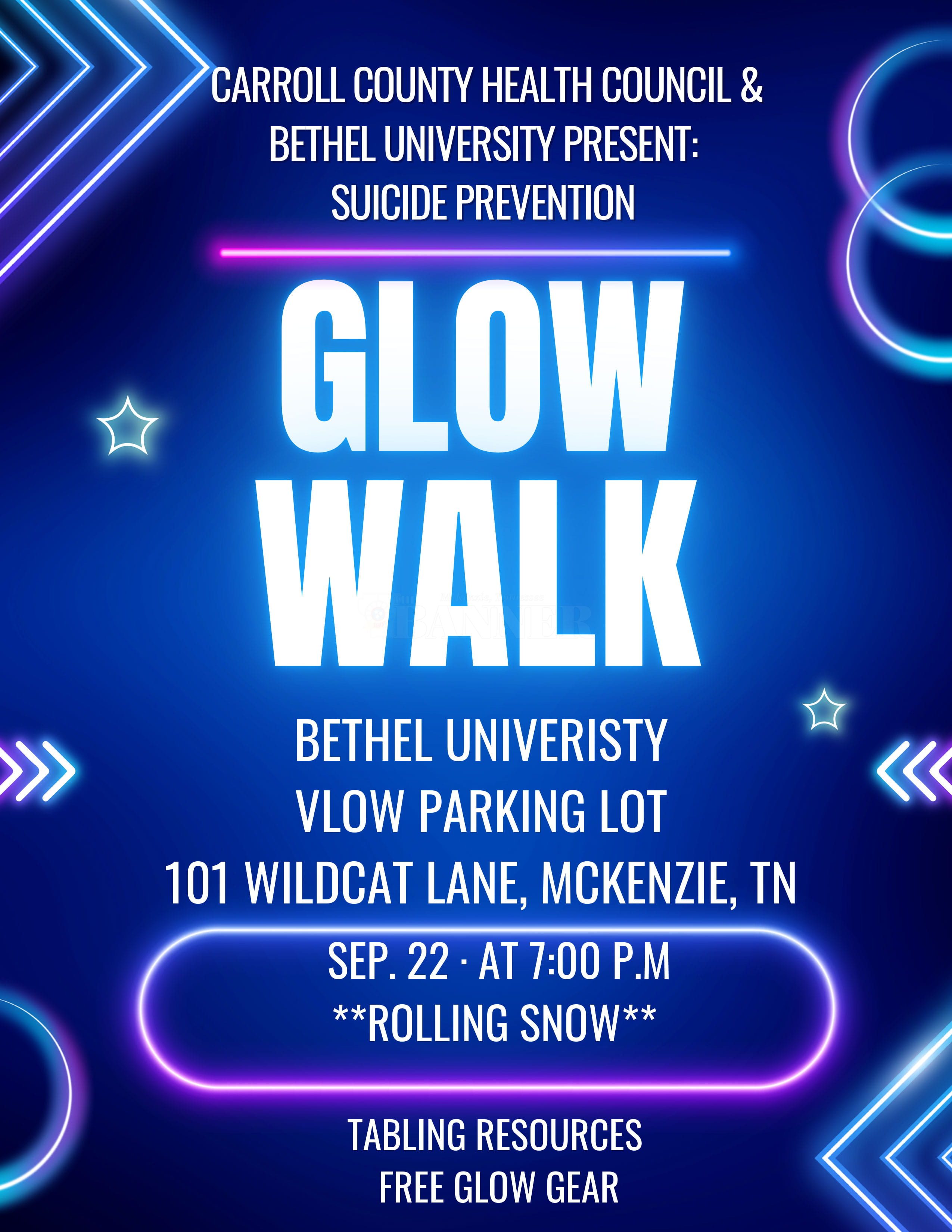
Glow Walk to Bring Awareness, Prevention of Suicide
McKENZIE, Tenn — The Carroll County Health Council, in partnership with Bethel University, will host a Suicide Prevention Glow Walk on Tuesday, Sept. 22, at 7 p.m. to raise awareness and bring community members together in support of suicide prevention.
Sep 13, 2026

West Carroll Students Attend "Flip the Switch" at Solar Farm
West Carroll students had the opportunity to be part of an exciting moment for our local community this week as they attended the Trezevant Solar Farm “Flip the Switch” event!
Sep 13, 2026

Cash Express Honors McKenzie’s First Responders
McKENZIE (September 11) — On Friday, Cash Express honored McKenzie Police (MPD), McKenzie Fire & Rescue (MFD), and Baptist-Carroll County Ambulance first responders with cakes decorated with the American flag and cards signed by McKenzie businesses thanking them for their…
Sep 11, 2026
9/10/26 Episode of Guys Talking Football with Russell Bush and Eric Swenson Podcast is Live Now!
Introducing a new-to-The Banner weekly podcast titled, "Guys Talking Football" with Russell Bush and Huntingdon High School Head Football Coach Eric Swenson. Russell Bush is a sports writer and photojournalist for The Banner with over 25 years of experience. Russell joined The…
Sep 10, 2026