Judge Bradberry Speaks About Recovery Court
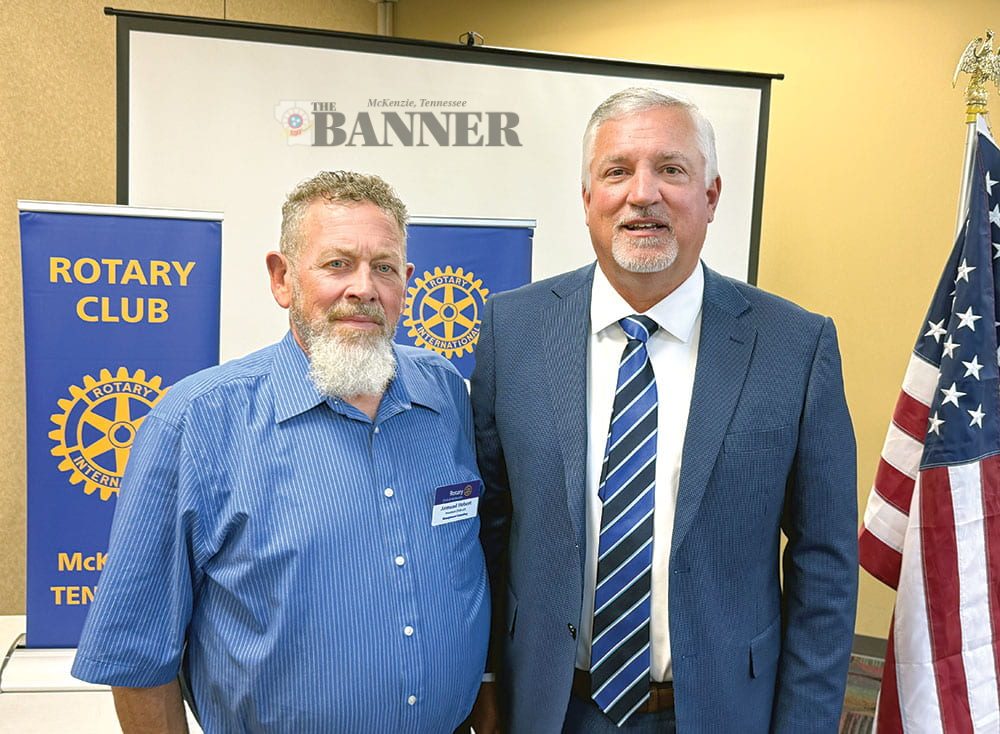
McKENZIE (September 1) — Keeping non-violent, drug-dependent offenders out of state prison and holding them accountable in their own communities is saving taxpayer dollars while rebuilding local families, Circuit Judge Brent Bradberry told the McKenzie Rotary Club on Tuesday.
Bradberry, who was initially appointed to the 24th Judicial District bench by Gov. Bill Lee in 2021, and then elected to an eight-year term, spoke about the costs and early results of the district’s Recovery Court program.
"The state simply lacks the physical capacity to incarcerate every individual fitting a 'do the time' mindset," Bradberry said, pointing out that housing an inmate in a Tennessee prison costs around $111 a day—nearly $40,000 a year—compared to $30 to $60 a day in local county jails.
Launched locally in 2023, Recovery Court acts as a rigorous, 18-month alternative to prison. To get in, participants must be convicted felons who agree to plead guilty and accept a suspended prison sentence. If they drop out or get kicked out, that prison time kicks in immediately. Violent offenders aren't allowed in the program.
Once enrolled, the workload on participants is heavy:
Constant drug testing: At least twice a week during the first year, tapering off only after a long streak of clean screens.
Supervision: Four to five support meetings (like AA or NA) every week, plus twice-weekly check-ins with a probation officer.
Work and obligations: Holding down a full-time job, staying current on child support and court fees, and performing community service.
Education: Earning a GED is required to graduate if the participant doesn't already have a high school diploma.
A team that includes prosecutors, public defenders, law enforcement officers, and addiction counselors meets regularly to monitor each person's progress. Bradberry also meets one-on-one with participants at least once a month—a brief interaction he says makes a massive difference. Citing data shared at national judicial conferences, Bradberry noted that just three minutes of direct, constructive face time with a judge each month can cut a offender's chances of re-offending by more than half.
Across the 24th District—which includes Carroll, Henry, Benton, Decatur, and Hardin counties—69 people have entered the program since 2023.
So far, 15 participants have graduated, 13 have earned their GEDs, and 15 have successfully gotten their driver’s licenses back. Another four participants were provided laptops through the court to take online college courses through Jackson State.
Participants across the district have paid back more than $50,000 in court fines and fees, including roughly $10,000 collected right here in Carroll County.
Currently, 39 people are actively going through the program, including 13 in Carroll County.
Out of 15 people who left the program without graduating, 12 were voluntary dropouts in the first 90 days—people who essentially decided the strict schedule and constant testing were harder than serving their jail time. Only three were removed for cause and sent to prison.
Bradberry spent significant time addressing how the court responds when a participant slips up. In Recovery Court, a failed drug test is treated as a symptom of a disease that needs tighter medical treatment, not an automatic ticket to prison.
"Incarcerating an individual solely for a relapse can actually lower their long-term odds of success compared to intensifying their treatment plan," Bradberry explained. Responses usually involve extra meetings, earlier curfews, or daily drug screenings.
He shared two recent local examples:
Carroll County: A participant who was doing well—passing screens and paying off court costs—relapsed on methamphetamine after running into old acquaintances. Instead of sending him straight to prison, the court routed him into an intensive nine-month residential treatment program in Memphis.
Henry County: A 20-year-old woman from Paris with a severe fentanyl addiction relapsed despite having a strong, supportive family. Bradberry talked about the scary reality of local "Narcan parties," where group users intentionally overdose knowing someone in the room has the overdose-reversing drug nearby. She is currently in the county jail waiting on an opening at an inpatient facility.
One of the biggest hurdles facing the program right now is a simple lack of physical beds for care in the northern part of the district.
Right now, almost all 90-day inpatient treatment happens south of Interstate 40 in Savannah, where recovery infrastructure is well established. Because judges cannot legally order participants into faith-based programs, secular treatment options in Carroll, Henry, and Benton counties are virtually non-existent.
Efforts to fix the gap have hit snags. Talks with Aspell Recovery to open a 12-to-15-bed inpatient center in the area stalled after their top leadership retired. Buffalo Valley is currently looking into setting up an outpatient clinic in Huntingdon, but an inpatient facility is still nowhere in sight.
Bradberry noted that state and federal grant funding is out there, but finding experienced healthcare operators willing to set up shop locally remains the sticking point.
Despite the administrative headaches and the extra hours added to his normal court docket, Bradberry told Rotarians the payoff—getting local workers back on the job, child support checks back in the mail, and parents back to their kids—is well worth the work.
Related Stories

Tater Town Special Marks 52nd Year
GLEASON — Gleason Gazelle's 52nd annual Tater Town Special concluded over the weekend following a week full of events during a very hot weather week.
Sep 7, 2026
Webb School Alumni Hold Annual Homecoming
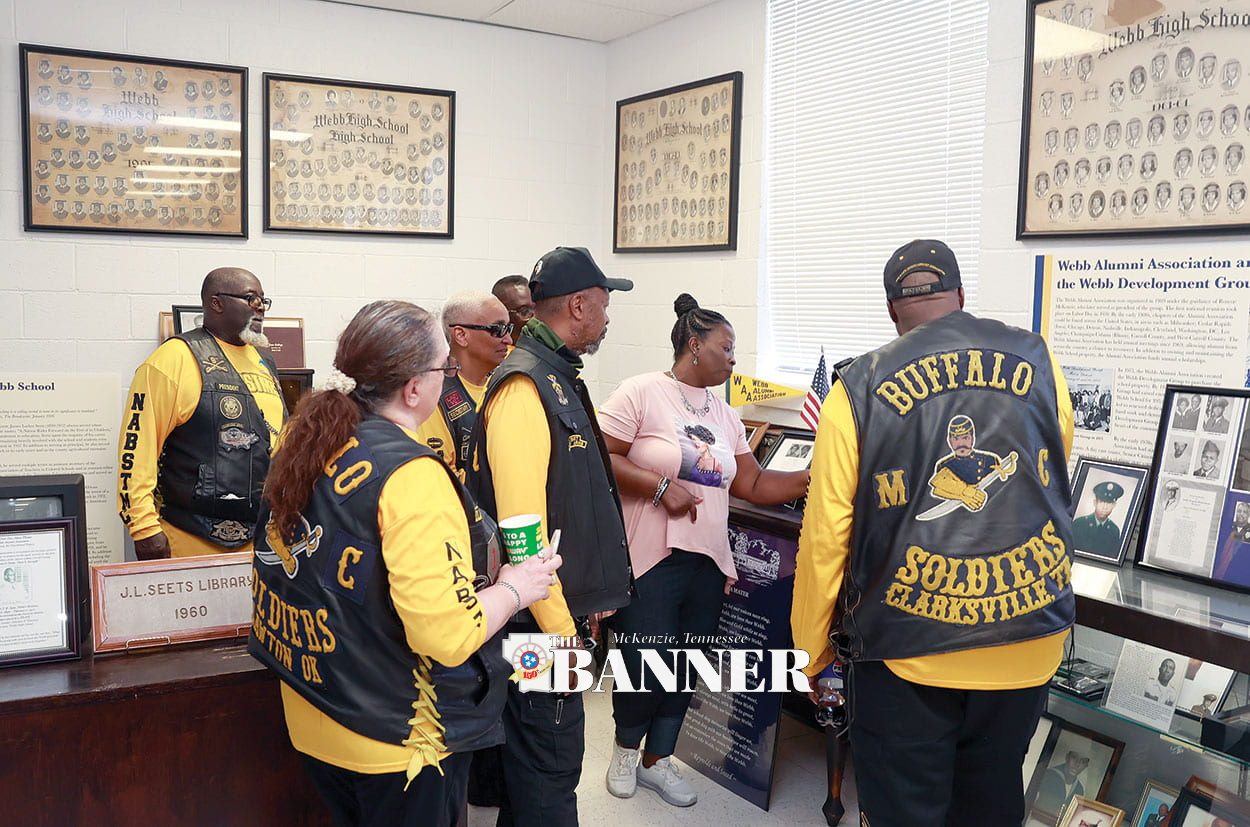
McKENZIE, Tenn. — The Webb School Alumni Association hosted its annual homecoming and General Assembly over Labor Day weekend, a celebration of the historic institution that served African American students throughout Carroll County for decades.
Sep 6, 2026
The Heart Behind Local Heart Care
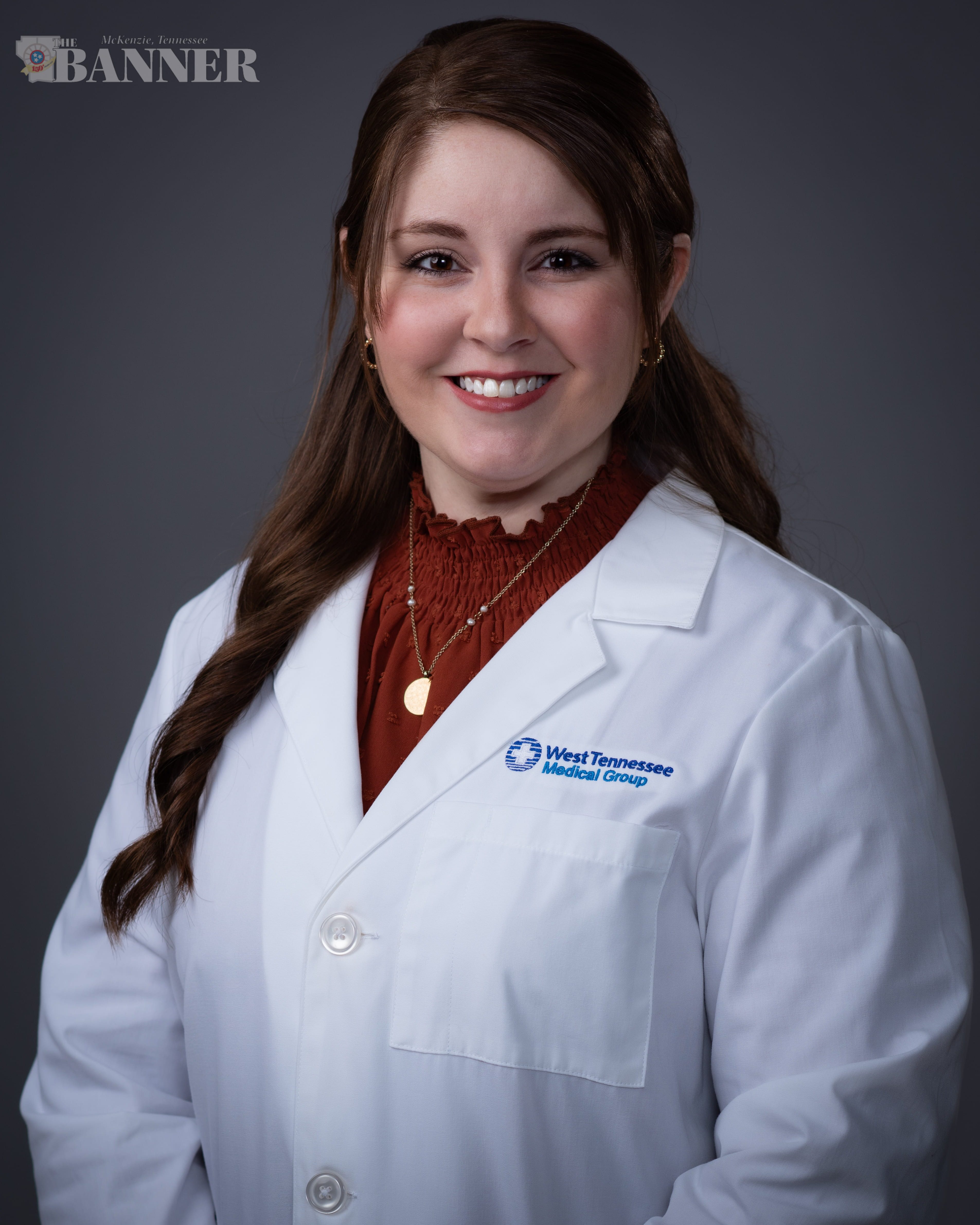
PARIS —Heart problems can make everything else stop.
Sep 3, 2026
September is Life Insurance Awareness Month
NASHVILLE — Tennessee Governor Bill Lee has proclaimed September as Life Insurance Awareness Month in Tennessee.
Sep 2, 2026